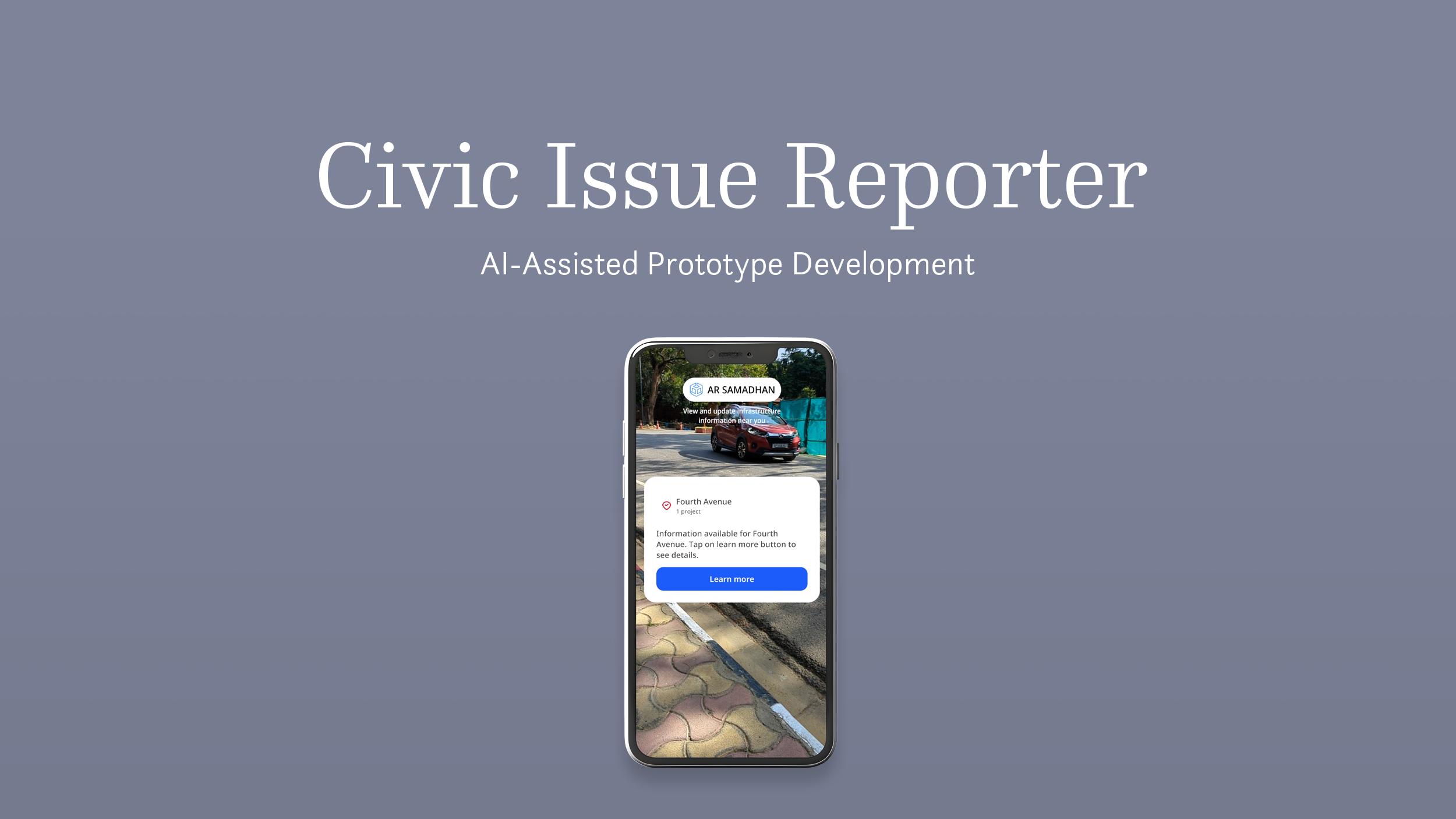
Citizens need an easy way to report civic issues, while city officials need reliable, location-specific infrastructure data. How might we connect issue reporting, civic records, and greater transparency around public works in one experience?
I built a functional MVP for citizen-facing road-issue reporting, using AI-assisted development with GitHub Copilot. Initially scoped as an augmented reality (AR) project I developed it in Unity for Android, the application integrates lcoation services, Google Maps, a computer-vision pipeline, and backend APIs into an end-to-end reporting workflow.
Link to the project on GitHub:
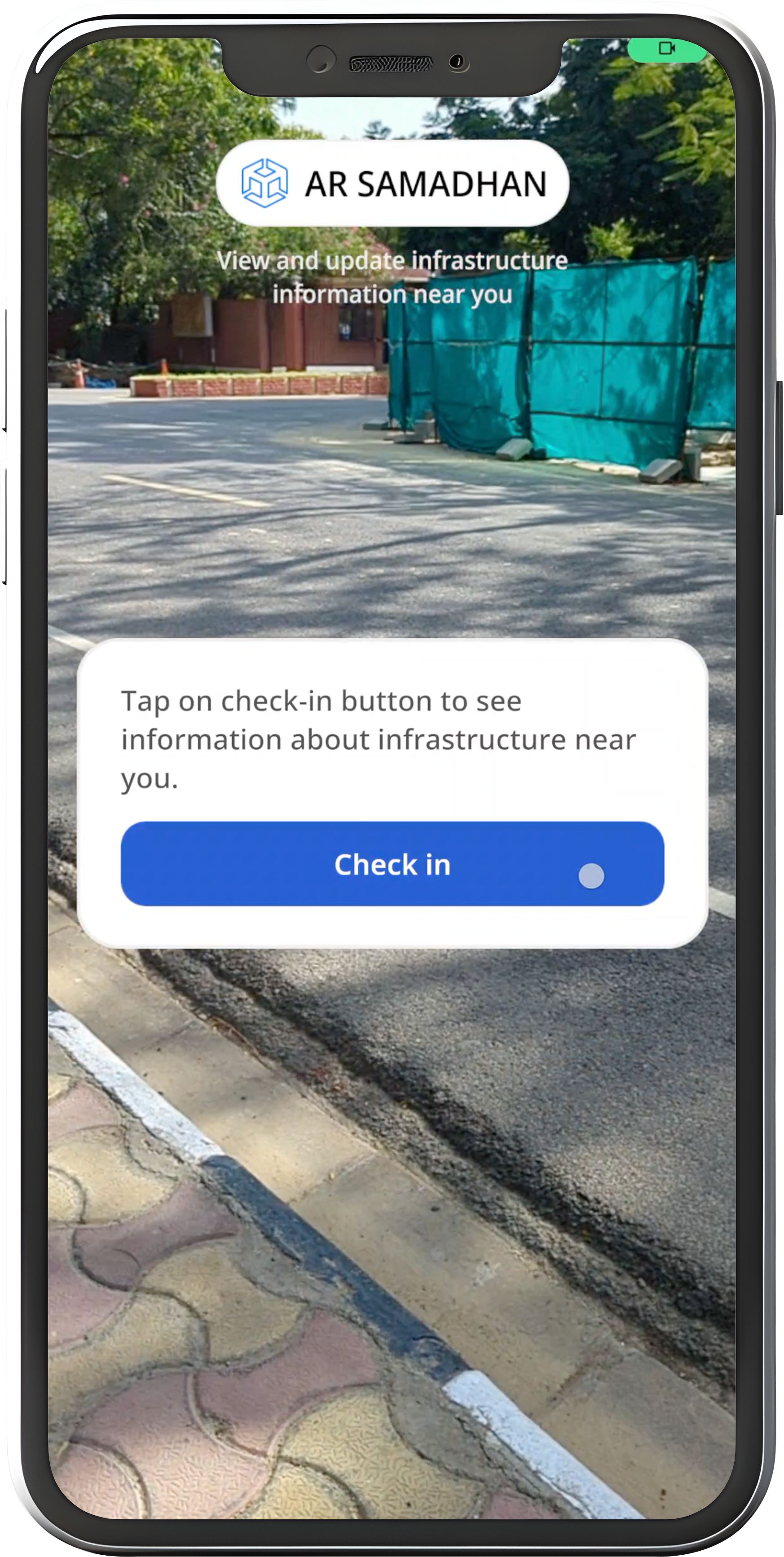
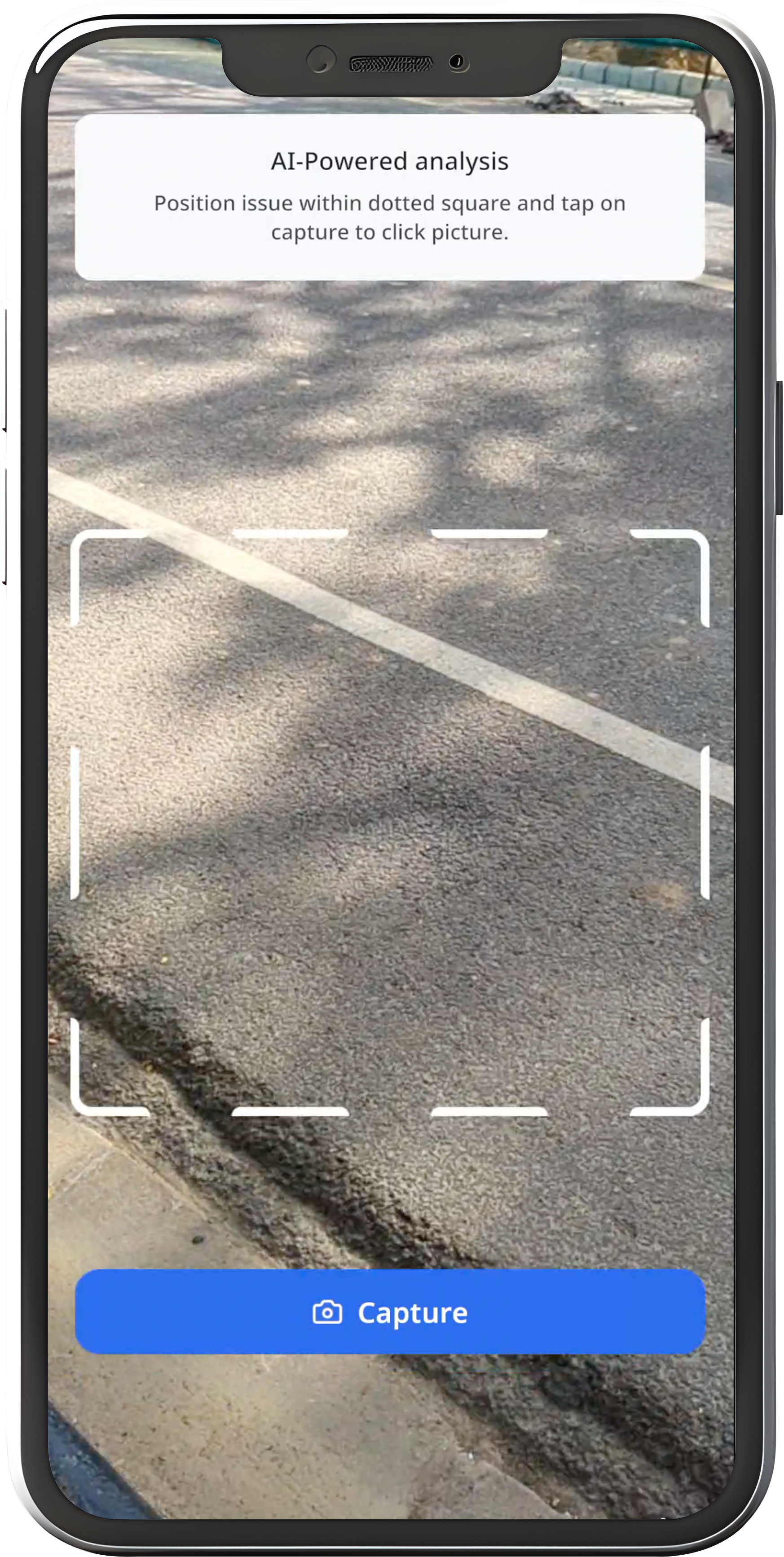
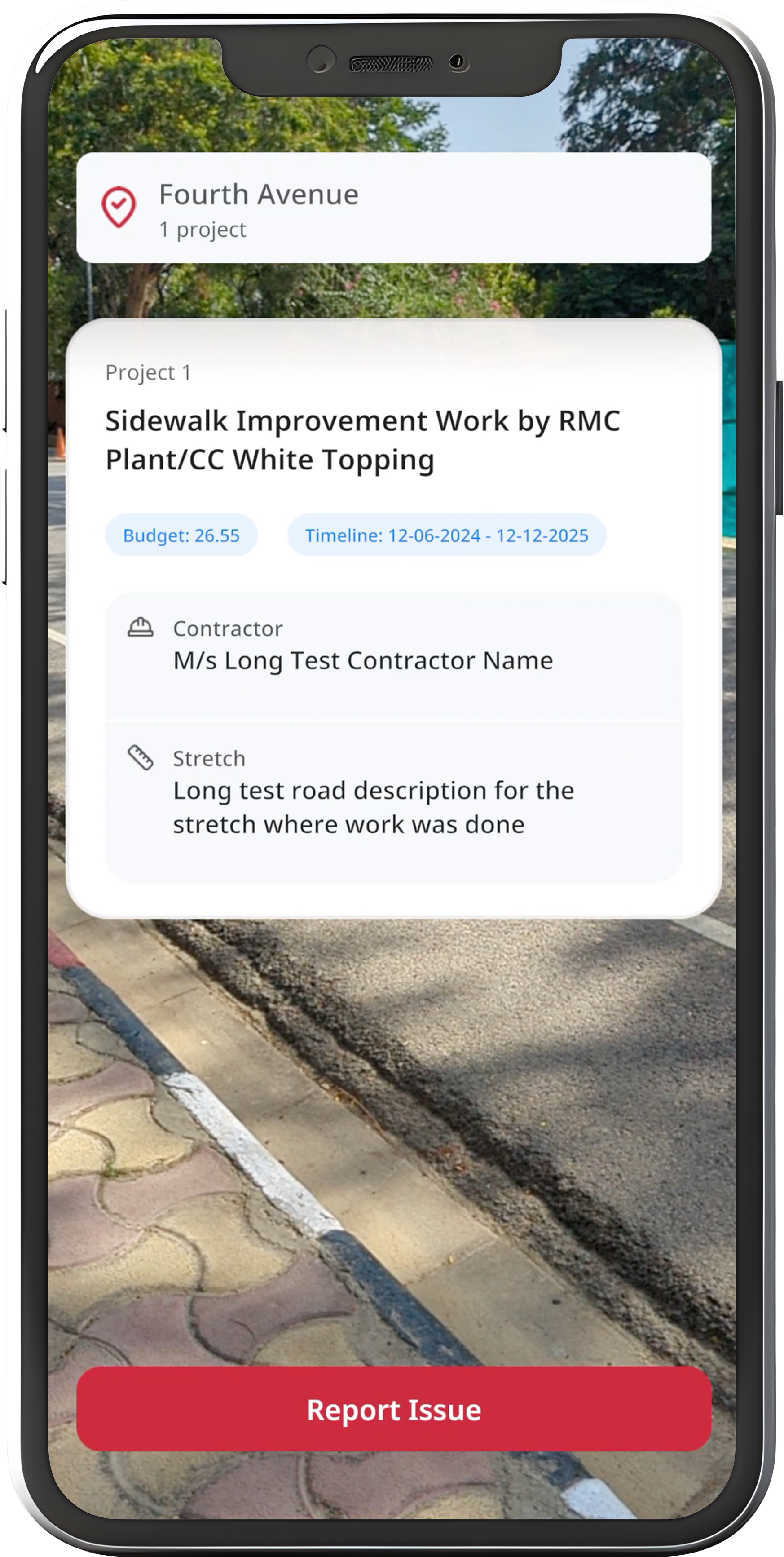
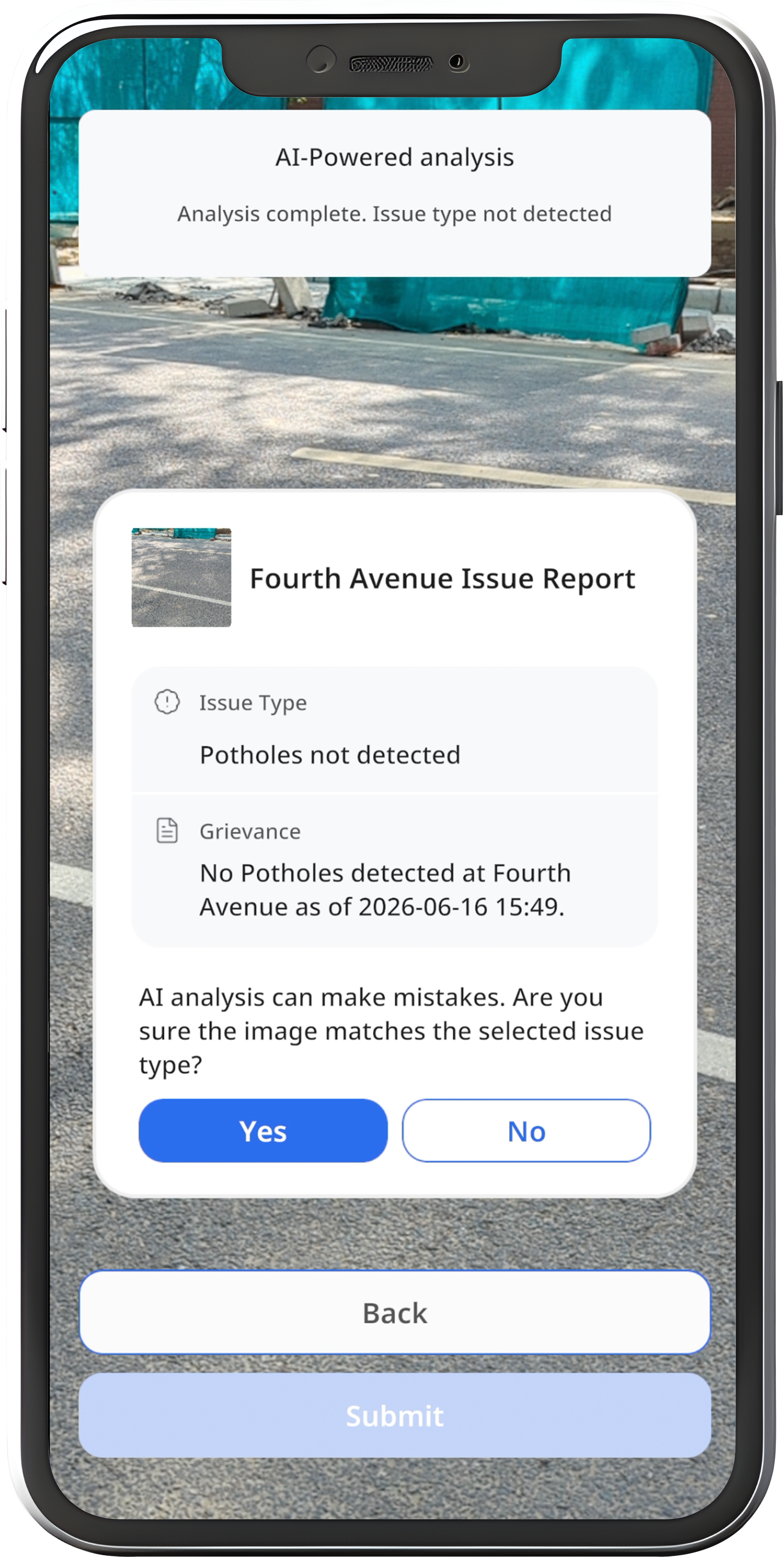
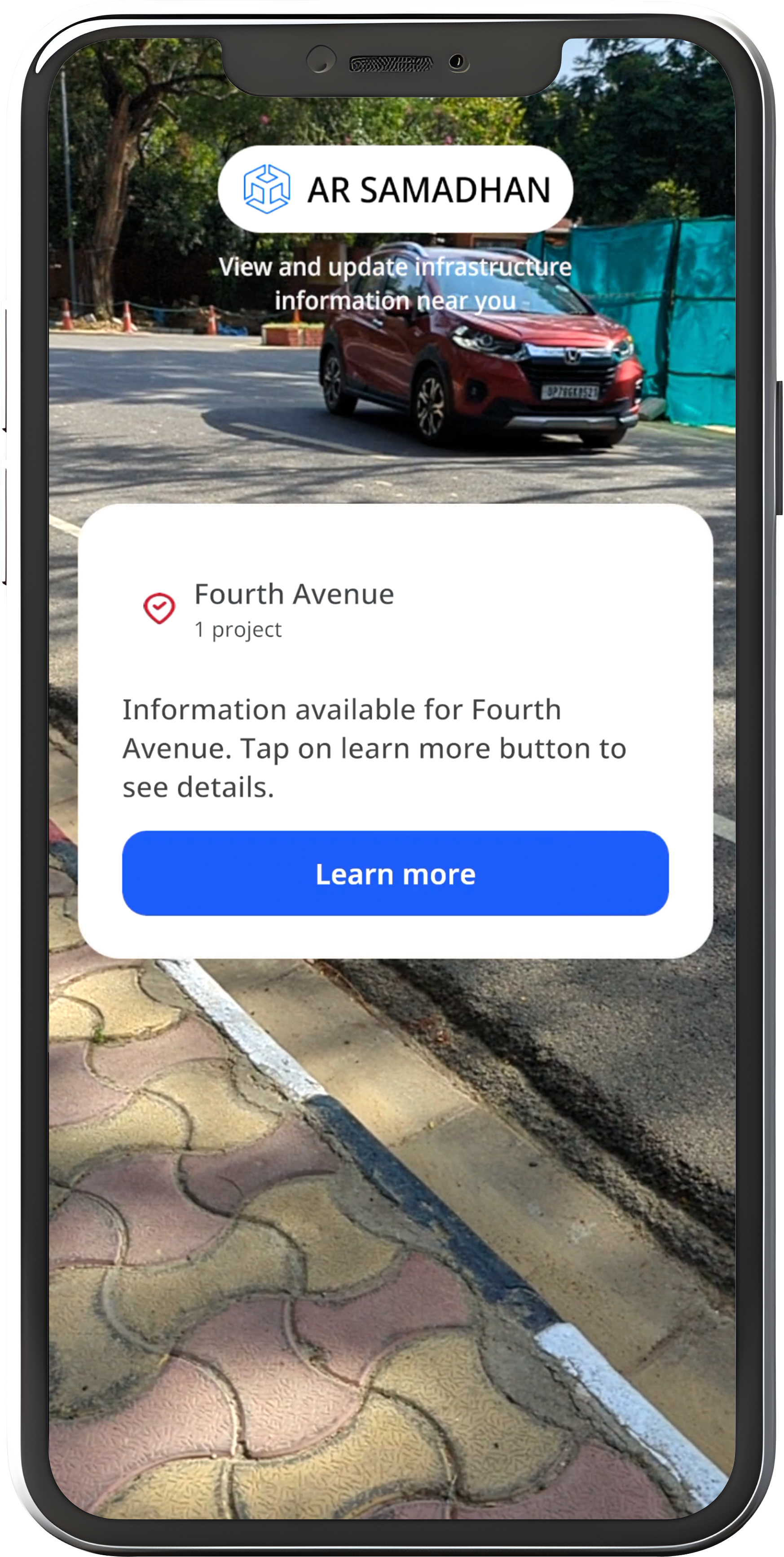
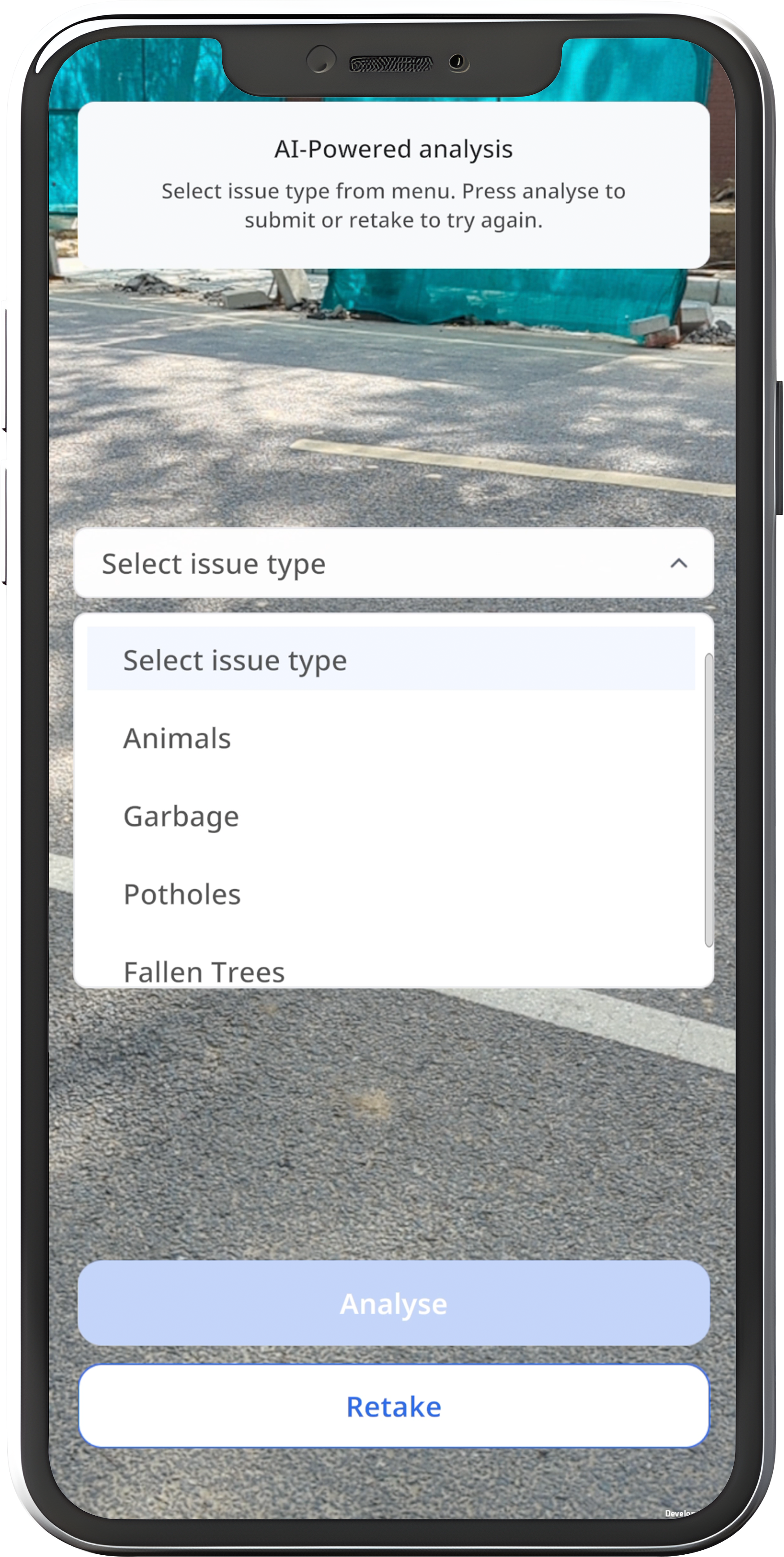
User journey: GPS coordinates → Road lookup → Project discovery → Photo capture → AI classification → Submission
A user taps Check-In to share their GPS location. The app resolves the nearest road via Google Maps and displays available civic projects. When they spot an issue, they capture a photo, tag it from a dropdown, and submit for AI analysis. After confirming the classification, they submit the complaint with their photo, the resolved road name, coordinates, and AI-assigned defect category.
Project Details
6 months
(January 2026 - June 2026)
Individual
My Roles
Interaction Design & User Experience
Mobile Application Architecture
Systems Integration (Google Maps API, CV pipeline, report submission pipeline)
AI-Assisted Development
Tools
Building a civic-reporting system revealed challenges such as GPS ambiguity, API failures, data inconsistency. This required not just separate solutions, but intentional architectural decisions.
Unity
VS Code
GitHub Copilot
I designed the system around graceful degradation: GPS ambiguity doesn't block submission; missing dataset entries redirect rather than dead-end; API failures allow continuation with available data. This intentionality extended to how I governed AI-assisted development, creating reusable patterns that ensured Copilot-generated code fit the architecture from the start.
AI is often approached as a techonology rather than a learning tool
Research on AI in education has paid less attention to how AI can scaffold problem-solving, particularly for middle-school STEM learners developing higher-order reasoning skills.
(Rao et al., 2025)
AI integration also tends to be technology-driven rather than grounded in educational and instructional design perspectives.
(Xu & Ouyang, 2022)
Games are often evaluated by outcomes, rather than by how their design supports learning
Game-based learning has been studied as a tool for STEM education but few studies examine how specific game design elements actually support how learners understand, think and reason.
(Gui et al., 2023)
A stronger educational perspective into the design and evaluation of game-based learning is needed to understand how game mechanics can support learning and reasoning during gameplay.
(Hou, 2023)
ARgonaut is built around distinct roles for AR, AI and the boardgame. Rather than simply adding AR and AI to a board game, we designed each medium to serve a specific purpose during gameplay.
ARgonaut Gameplay
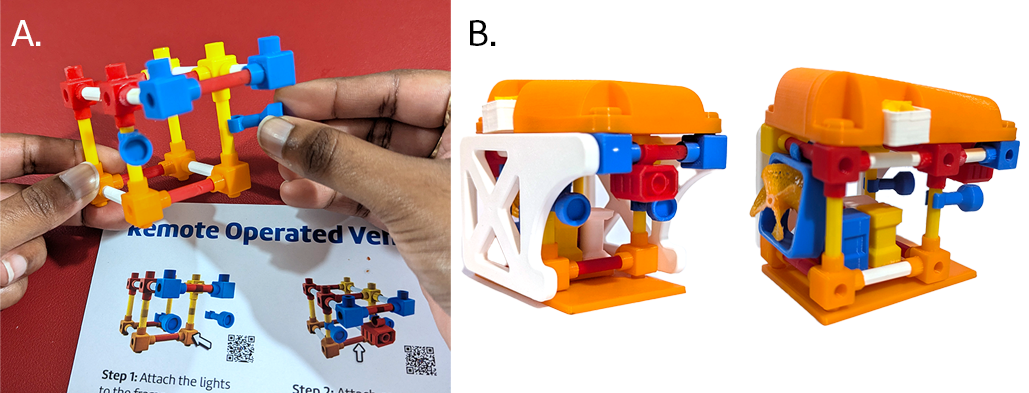
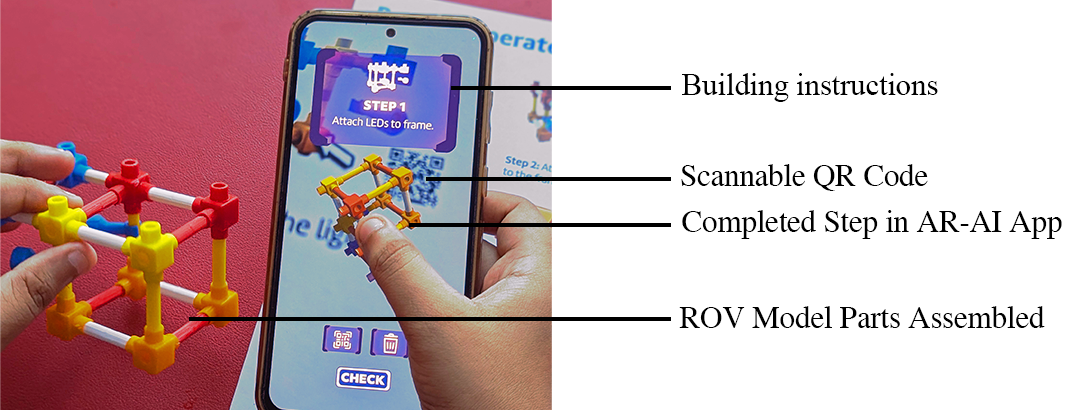
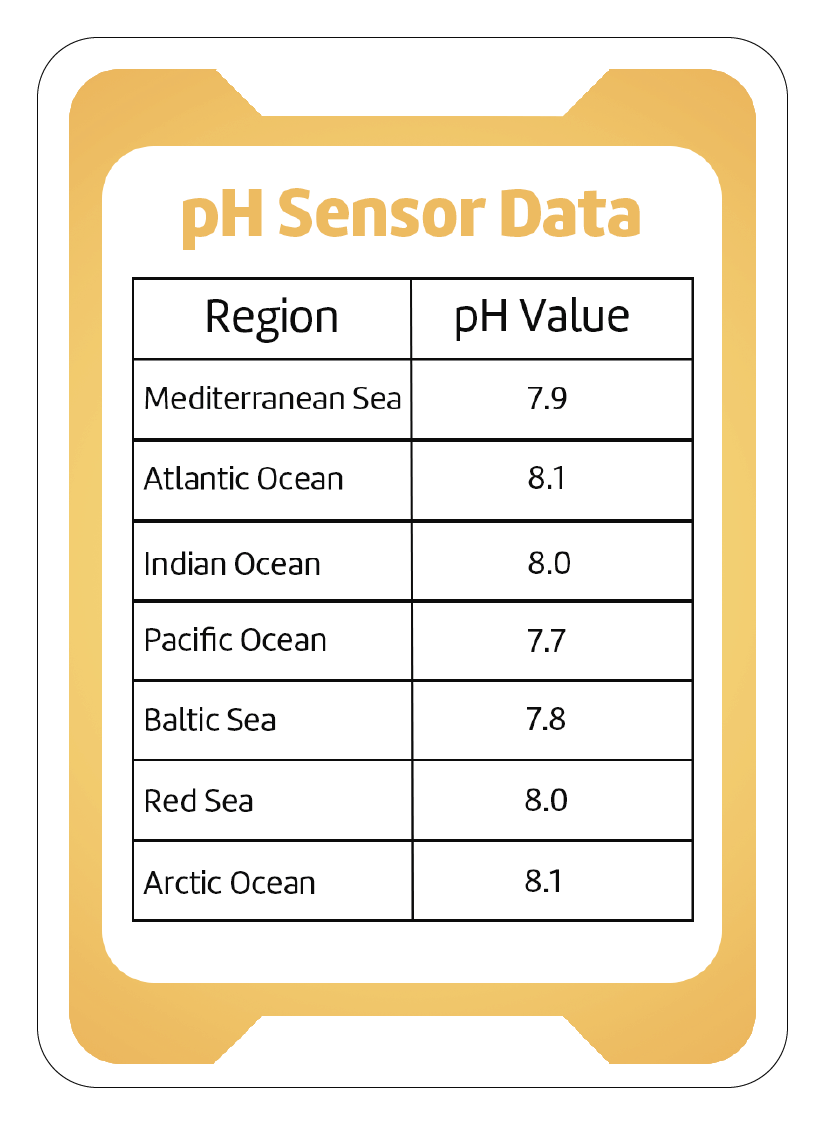
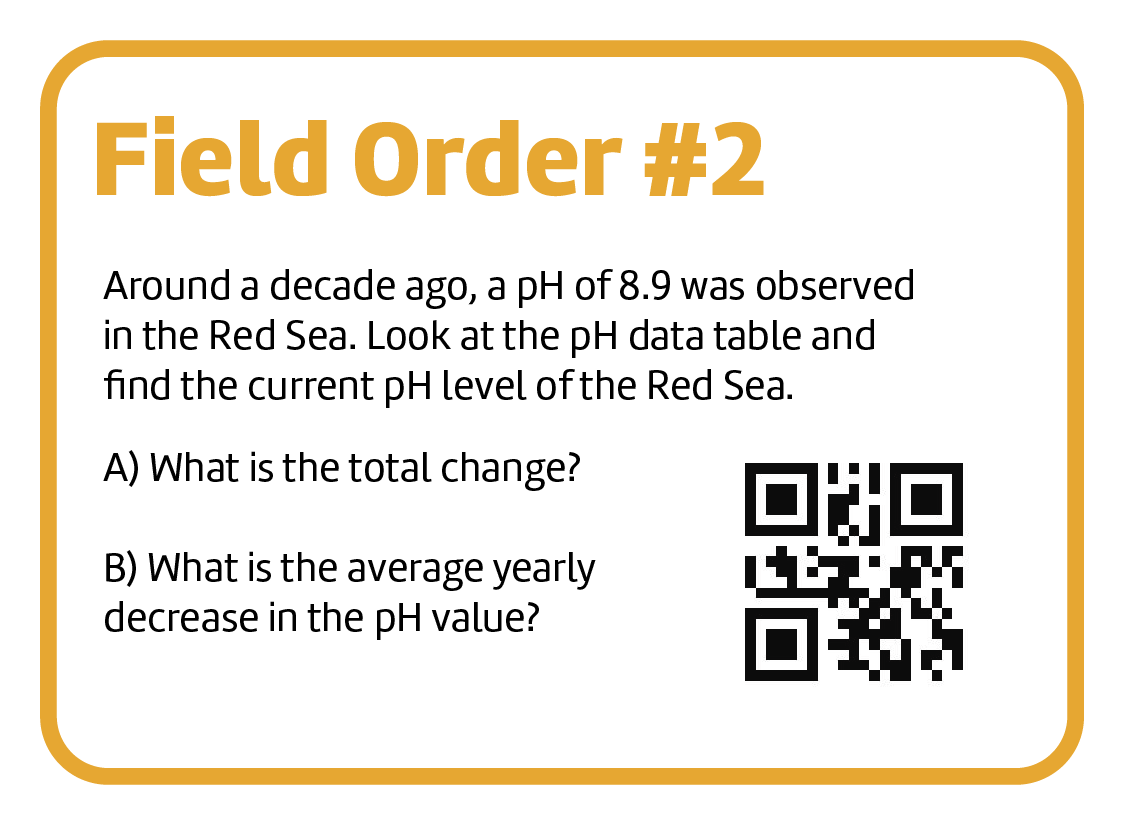
Themed around ocean exploration, ARgonaut has players work in teams of two to complete a series of tasks: assembling a model Remote Operated Vehicle (ROV) from 3D-printed parts, building a breadboard circuit, and solving math problems based on data collected by ROVs.
AR supports assembly tasks
3D models displayed using AR give visual feedback during tasks. This replaces guesswork and imagination with a clear view of the assembly steps allowing for verification and easy understanding of 2D instructional images into assembly actions.
AI supports science-math problem solving
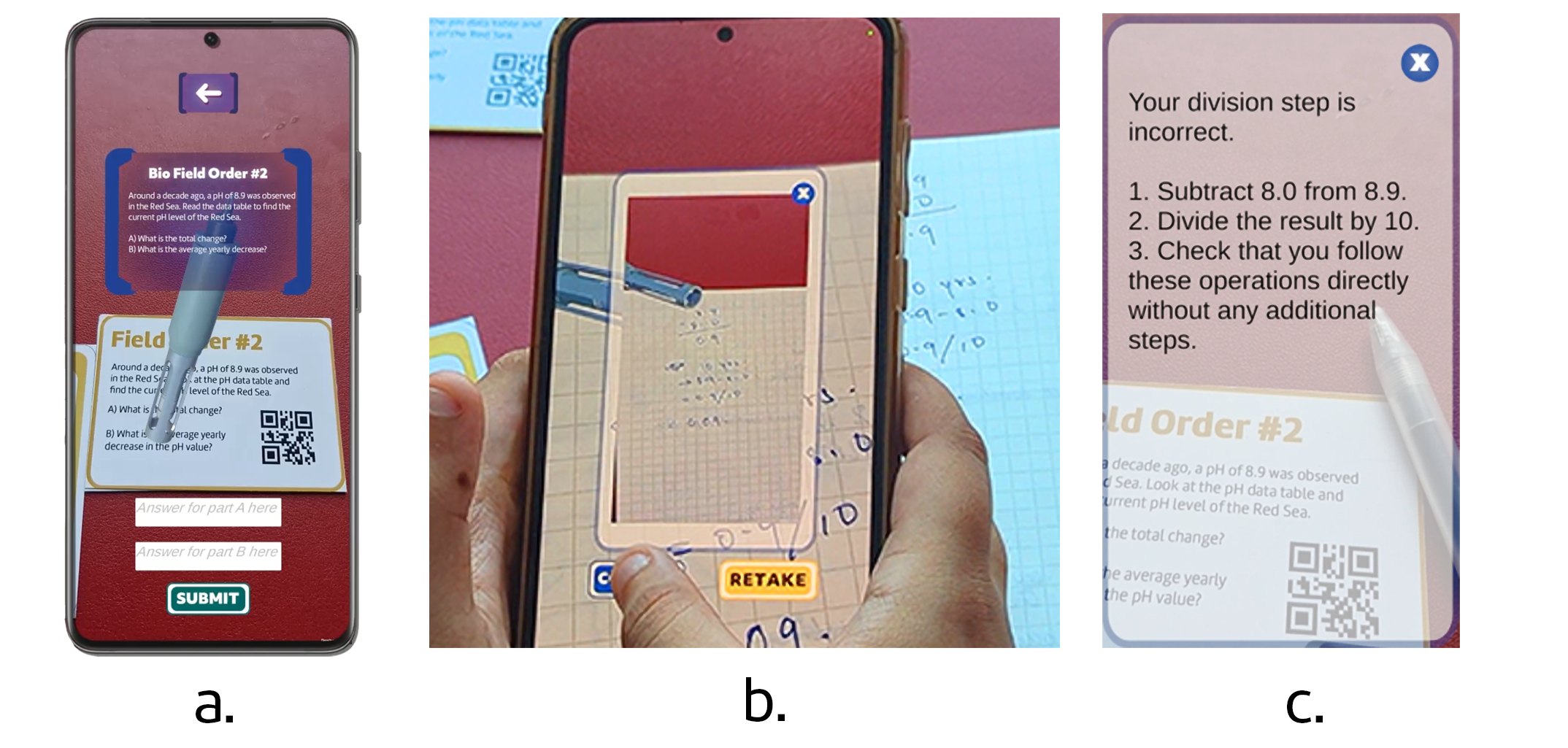
There are four categories of questions based on the sensors typically found on an ROV, covering topics such as unit conversion, averages, and percentages. Players solve the problems with pen and paper, then enter their answers into the app for verification. If an answer is incorrect, they can photograph their working to receive feedback identifying the error and suggestions for correction.
Boardgame elements grounds the entire experience
The board game provides the structure for gameplay, with AR and AI supporting players as they move through each task. The board acts as a visual tracker, showing what needs to be completed before players can progress.
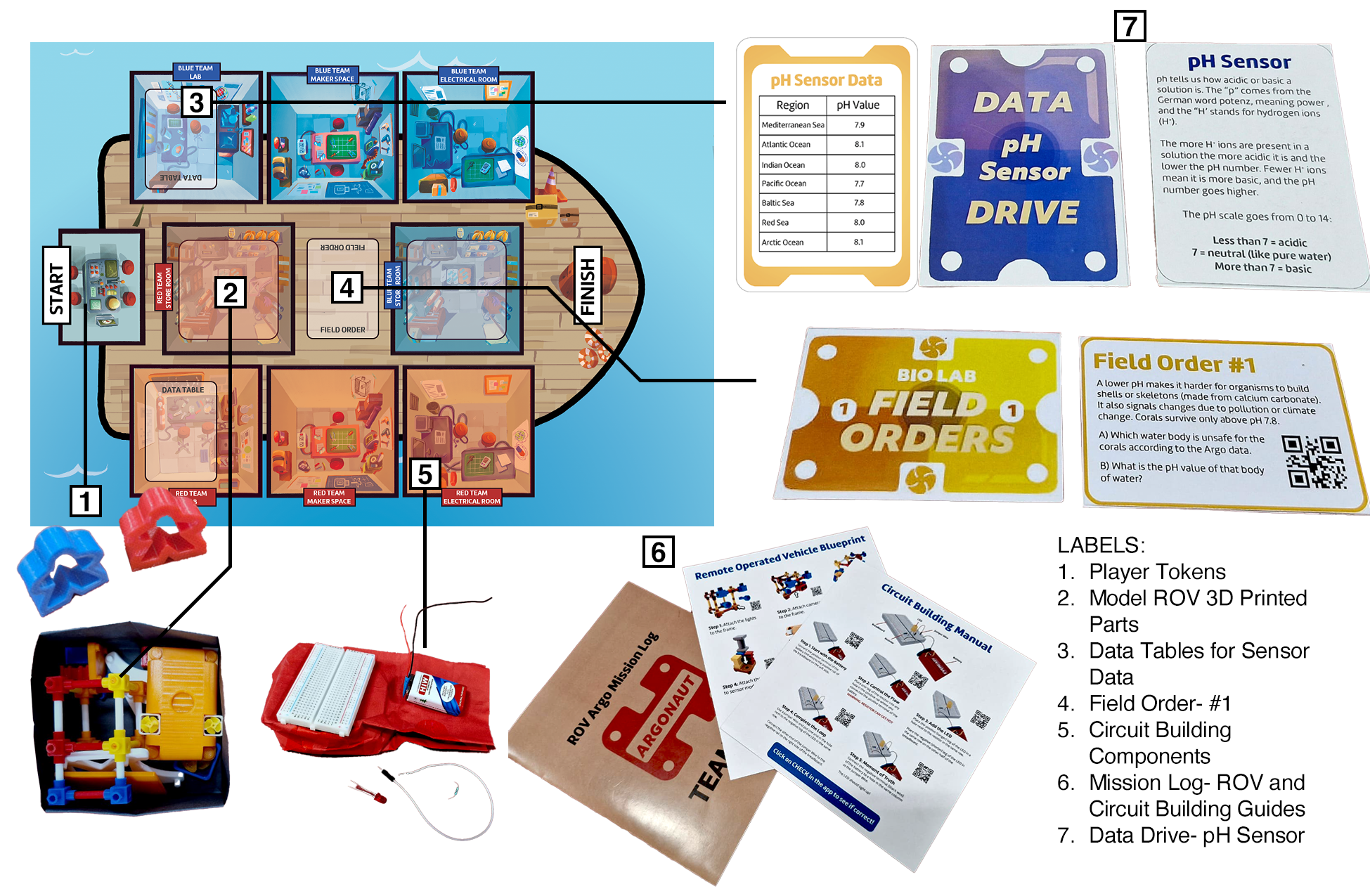
We conducted an empirical mixed-methods study with 80 middle-school students to understand how ARgonaut’s gameplay, AR, and AI shaped students’ problem-solving experience,
80 students were divided into four groups of 20. Each group played a different version of ARgonaut:
AR + AI: both AR and AI features
AR-only: AR features only
AI-only: AI features only
Control: no AR or AI features
After gameplay, students completed two survey questionnaires. 16 students, 4 from each group, were randomly selected for follow-up interviews.
Mixed Methods - Data Sources
Quantitative Measures
Two surveys were used to capture students’ motivation and experience:
Scientific Motivation Questionnaire (SMQ II) measured science motivation across intrinsic motivation, self-determination, self-efficacy, career motivation, and grade motivation.
(Glynn et al., 2011) | Cronbach's α = 0.93
ARgonaut Experience Questionnaire (AEQ) measured gameplay experience, learning takeaways, and responses to problem-solving support.
(Custom Likert-scale measure)
Qualitative Measures
The 16 selected students took part in
30-minute semi-structured interviews to expand on their questionnaire responses and understand how they experienced the gameplay and problem-solving tasks.
Interviews were conducted in person or by phone, in each student’s preferred language (Hindi, English, or a mix of both). Conversations were recorded and transcribed using pseudonyms.
Data analysis & Findings
Quantitative responses were analysed to compare students’ experiences across the AR and AI conditions, while interview responses were coded to identify recurring themes and patterns.
AR and AI supported different kinds of problem solving.
AR helped students identify and fix mistakes during assembly tasks, while AI support helped them understand why they were wrong and the underlying concepts.
AR supported verification and correction.
During assembly tasks, AR helped students identify and fix mistakes as they occurred.AI supported conceptual understanding.
During science-math problem solving tasks, AI feedback helped students identify where and why they had made mistakes, allowing them to adjust their approach and engage with the underlying concepts.Learner scientific motivation shaped these experiences.
Highly motivated students with AR support reported more positive gameplay experiences and learning takeaways, while highly motivated students in the AI-only condition showed a more negative relationship with problem-solving support. No clear associations were found between scientific motivation and AEQ responses in the control condition.
Moving forward, integration of multimodal support should complement the task, not overwhelm the learner.
ARgonaut demonstrates how AR and AI can be integrated into game-based learning to support different stages of learning and problem-solving. The findings suggest that these supports work best when they are designed around the demands of the task, rather than simply adding more information or interaction.
The study also highlights the continued importance of educators in technologically supported learning environments. AI feedback can extend and support instruction, but works best as a pedagogical aid rather than a replacement for instructional guidance.